
Powered By


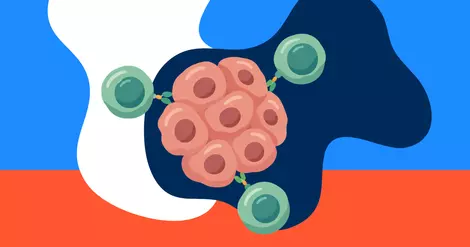
Immunotherapy has changed treatment for people with relapsed or refractory multiple myeloma (RRMM). Treatments such as chimeric antigen receptor (CAR) T-cell therapy and bispecific antibodies work differently from traditional chemotherapy, helping the immune system find and attack myeloma cells.
Like other cancer treatments, immunotherapy can cause side effects. Some happen soon after treatment, while others can develop or continue weeks or months later.
Fortunately, cancer care teams have many ways to prevent, monitor, and treat side effects. Here are some of the most common immunotherapy side effects experienced by people with RRMM, along with how they’re managed.
Sign up to view the results!
 Continue with Facebook
Continue with Email
Continue with Facebook
Continue with Email
Cytokine release syndrome, or CRS, is a common side effect of CAR T-cell therapy and bispecific antibodies. CRS develops when activated immune cells release large amounts of inflammatory chemicals called cytokines.
CRS often starts with a fever.
More serious cases can cause breathing problems, affect organ function, and even become life-threatening.
With bispecific antibodies, CRS is most likely during the first “step-up” doses, which gradually increase the amount of medicine you receive.
Follow your treatment team’s instructions if you develop a fever or other possible immune-related side effects rather than trying to manage them on your own.
Depending on its severity, CRS may be treated with supportive care, anti-inflammatory medications such as tocilizumab or corticosteroids, or other treatments. Serious cases require care in a hospital.
CAR T-cell therapy and bispecific antibodies can lower blood cell counts. This can lead to problems:
Changes in blood cell counts are especially common after CAR T-cell therapy. Low neutrophils, a type of white blood cell, are also common with bispecific antibodies used in RRMM such as teclistamab (Tecvayli) and elranatamab (Elrexfio).
Your care team will check your blood regularly. Treatment may include growth factor medications that help your body produce blood cells or, when needed, blood or platelet transfusions.
Contact your care team promptly if you develop a fever or signs of infection. Ask your doctor what temperature should trigger an immediate call.
Infections are an important risk during and after CAR T-cell therapy and treatment with bispecific antibodies.
These therapies can weaken parts of the immune system. For instance, treatments that target B-cell maturation antigen (BCMA) on myeloma cells can also reduce healthy plasma cells. This can lead to lower levels of infection-fighting proteins called immunoglobulins.
Infections are common with BCMA-targeted bispecific antibodies such as teclistamab and elranatamab. Infection can also occur after CAR T-cell therapies approved for RRMM such as idecabtagene vicleucel (Abecma) and ciltacabtagene autoleucel (Carvykti).
Your team may recommend preventive medications and vaccinations. Some vaccines may need to be repeated after CAR T-cell therapy.
If your immunoglobulin levels become very low, especially if you’re developing infections, your team may recommend immunoglobulin replacement to boost your defenses.
Wash your hands regularly and avoid close contact with people who are sick when possible. Contact your cancer care team about fever, chills, a new cough, shortness of breath, or other possible signs of infection.
CAR T-cell therapy and bispecific antibodies can sometimes affect the nervous system.
One potential complication is immune effector cell-associated neurotoxicity syndrome, or ICANS. Symptoms may include:
Less commonly, CAR T-cell therapies can also cause delayed neurologic problems. Ciltacabtagene autoleucel, for example, has been associated with delayed neurotoxicity affecting movement, thinking, or nerves in the head and face.
Tell your care team immediately about confusion, trouble finding words, unusual sleepiness, handwriting changes, weakness, tremor, balance problems, seizures, or other new neurologic symptoms.
During higher-risk periods, your team may use simple questions or writing exercises to spot subtle changes.
Treatment depends on the type and severity of symptoms and may include corticosteroids or other medications. Loved ones can also help watch for changes in speech, behavior, or movement that you may not notice yourself.
Fatigue is common during cancer treatment, including immunotherapy.
Fatigue may be the result of treatment itself or a symptom of anemia, infection, poor sleep, or problems related to myeloma. Cancer-related fatigue can be more intense than ordinary tiredness and may not disappear after sleep.
Tell your care team how fatigue is affecting your day. They can check for treatable causes such as anemia, infection, dehydration, or medication side effects.
Schedule demanding activities when you have the most energy and break larger tasks into smaller ones. When your team says it’s safe, gentle activity such as walking may also help with energy.
Report severe or suddenly worsening fatigue, especially with fever, shortness of breath, dizziness, or confusion to your care team.
Taste and mouth problems are especially common for people receiving talquetamab (Talvey), a bispecific antibody used for RRMM.
Food may taste different or have little taste at all. Dry mouth and difficulty swallowing can also occur.
These symptoms may reduce appetite and contribute to weight loss. In one study, oral side effects made it harder for people to eat normally.
Tell your care team early, particularly if you’re eating less or losing weight. A dietitian can help you get enough calories and protein.
Try different flavors, seasonings, textures, and food temperatures. Good oral care, fluids, sugar-free gum or candies, and saliva substitutes may help with dry mouth.
Tell your care team if you notice:
Talquetamab can also cause skin and nail side effects.
You may experience skin reactions such as:
Nails can become brittle or change in color or texture. Hair loss or thinning can occur too.
These problems are more characteristic of talquetamab than of BCMA-targeted bispecific antibodies.
Regular moisturizing may help dry skin. Your care team may recommend topical corticosteroids or other treatments for a rash.
Keep nails short and consider wearing gloves during activities involving water, cleaning products, or friction.
Tell your team about new rashes. Seek prompt medical attention for a rapidly spreading or painful rash, blistering or peeling skin, mouth or eye sores, or a rash with fever.
Some people experience nausea, diarrhea, vomiting, or decreased appetite during immunotherapy. Other myeloma medications may contribute, too. Ongoing digestive problems can lead to dehydration, weakness, and weight loss.
Small meals and bland foods may help with nausea, and your care team can prescribe anti-nausea medication if needed. Drink plenty of fluids if you have diarrhea or vomiting.
Call your team if symptoms are severe or persistent, if you can’t keep fluids down, if you see blood in your stool, or if you develop severe abdominal pain or signs of dehydration.

Speaking up about side effects isn’t complaining. It’s an important part of your immunotherapy treatment.
Some immunotherapy side effects are easier to control when caught early. Others, including infections, CRS, and neurologic problems, can become serious without prompt treatment.
Tell your cancer care team about any new or worsening symptoms, even if you aren’t sure they’re related to treatment. Don’t be embarrassed to mention problems affecting eating, sleeping, everyday activities, or your ability to continue treatment.
Your team needs to know if anything is making it harder to stay on treatment. Work together with your care team to make treatment more manageable.
Get updates directly to your inbox.


 Continue with Facebook
Continue with Email
Continue with Facebook
Continue with Email
Continue with Facebook
Continue with Email
Continue with Facebook
Continue with Email
Become a member to get even more





 Join
Join


 Your Privacy Choices

This is a member-feature!
Sign up for free to view article comments.
We'd love to hear from you! Please share your name and email to post and read comments.
You'll also get the latest articles directly to your inbox.