
Powered By



Immunotherapy for multiple myeloma can help fight cancer by modifying your immune system. As beneficial as immunotherapy can be for those with relapsed or refractory multiple myeloma (RRMM), it isn’t risk-free. A complication called cytokine release syndrome (CRS) can sometimes develop within hours or days of receiving immunotherapy treatment.
CRS symptoms can range from mild to severe or even become life-threatening. While doctors take steps to prevent CRS, you might still be at risk. With quick recognition and treatment, you can prevent CRS from worsening and causing dangerous complications.
Here we provide a guide to CRS, including which types of immunotherapy cause it and which symptoms to watch out for.
Sign up to view the results!
 Continue with Facebook
Continue with Email
Continue with Facebook
Continue with Email
CRS is a type of widespread inflammation that can occur when your immune system releases too many cytokines. Cytokines are proteins that help control your immune system. When cytokines flood your bloodstream, they can trigger inflammation that can damage your organs.
This reaction is also called a cytokine storm.
Immunotherapy is very effective for fighting certain types of blood cancer, including RRMM, because it modifies your immune system. While harnessing your immune system can help your body fight cancer more effectively, these changes can also result in side effects.
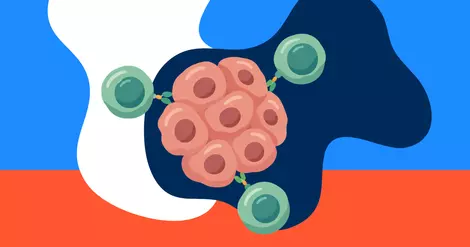
CRS as a side effect is usually linked to immunotherapies that involve T cells. T cells are immune cells that can identify and destroy abnormal cells. CAR-T cell therapy and bispecific antibodies are two types of immunotherapies that modify T cells to attack multiple myeloma.
CAR-T cell immunotherapies take samples of your T cells and program them to find and kill cancer cells more efficiently. The modified T cells are then multiplied and returned to your body to attack the myeloma.
Bispecific antibodies are molecules with two attachment points. One point attaches to a cancer cell, and the other point attaches to a T cell. The bispecific antibody brings the T cell into contact with the cancer cell to destroy it.
It’s important to know the symptoms of CRS so you can recognize them early and seek treatment before the condition causes too much damage. When CRS occurs as an immunotherapy side effect, the symptoms usually start two weeks or fewer after you receive the treatment.
Not all cases of CRS involve dangerous or life-threatening symptoms and complications. Often, milder CRS symptoms go away after a week or two.
However, it’s still important to tell your doctor if you notice CRS symptoms because of the potential for serious complications like kidney failure, liver failure, or heart failure. CRS symptoms can worsen very quickly.
Having CRS can feel much like having the flu. You might experience a high fever, chills, headache, or muscle aches. Some people experience symptoms similar to a stomach bug, like vomiting, diarrhea, or a low appetite.
When CRS causes damage in the lungs and airways, it can lead to trouble breathing or make it difficult for you to catch your breath. Because of coughing, shortness of breath, or other breathing problems, you might have a low blood oxygen level.
Inflammation from CRS can cause complications with your heart and blood vessels and can place stress on the heart. If your heart is overworked, you might experience a rapid or irregular heartbeat, low blood pressure, or swelling in your arms, legs, face, or neck.
Neurotoxicity syndrome can develop when CRS inflammation causes damage to your brain or other parts of your nervous system. In severe cases, it can interfere with your thinking and functioning.
Neurotoxicity syndrome symptoms typically appear a few days after the first CRS symptoms, but sometimes they appear around the same time. They range from mild to severe and can include:
The first and most important step for managing CRS is preventing it from developing in the first place. To lower your risk, your cancer care team may gradually increase your immunotherapy dose to allow your immune system to adjust.
Clinical trials are currently looking at medications to be given before immunotherapy that might lower the risk of CRS and neurotoxicity syndrome.
Other treatments you receive for CRS depend on which part of your body is affected and the severity of your symptoms. Your doctor also considers the type of immunotherapy that triggered the CRS while recommending treatment.
Even if you feel like your symptoms are mild, you should tell your doctor right away so they can start treatment immediately if symptoms become severe.
Typically, doctors monitor you with tests as you begin immunotherapy so that they can identify signs of CRS as early as possible. Your doctor will check your:
Your doctor may also run neurological tests so they can check your brain and nerve function and monitor you for neurotoxicity syndrome.
If your CRS is on the mild side, you may be able to manage it without taking prescription medications. Some supportive care can help you at home, but you may have to stay in the hospital for extra support and close monitoring.
Depending on your symptoms and severity, supportive care for CRS can include:
It’s important to talk to your doctor before taking any medications for CRS, even if you can easily get them without a prescription. Some medications can hide CRS symptoms or increase the risk of more health complications.
For more severe CRS symptoms, your doctor might prescribe medications to reduce your increased immune system activity. Certain targeted therapies can block specific cytokines, while other medications decrease immune system activity in a more general way.
You might be given immune-suppressing medications alone or in combination with corticosteroids, which reduce inflammation.
Because medications for CRS can interfere with your myeloma treatment, they’re not recommended for everyone. Your doctor considers the details of your CRS and decides if the benefits of CRS medications outweigh the risks.

If you have concerns about CRS as a side effect of immunotherapy for myeloma, discuss them with your care team. Your doctor can tell you more about your risk based on your type of immunotherapy and your overall health.
Be sure to let your cancer care team know right away if you experience any potential signs of CRS or neurotoxicity syndrome while taking immunotherapy for multiple myeloma.
Get updates directly to your inbox.




 Continue with Facebook
Continue with Email
Continue with Facebook
Continue with Email
Continue with Facebook
Continue with Email
Continue with Facebook
Continue with Email
Become a member to get even more





 Join
Join


 Your Privacy Choices

This is a member-feature!
Sign up for free to view article comments.
We'd love to hear from you! Please share your name and email to post and read comments.
You'll also get the latest articles directly to your inbox.