Does having chromosome deletions change the watch-and-wait approach for smoldering multiple myeloma?
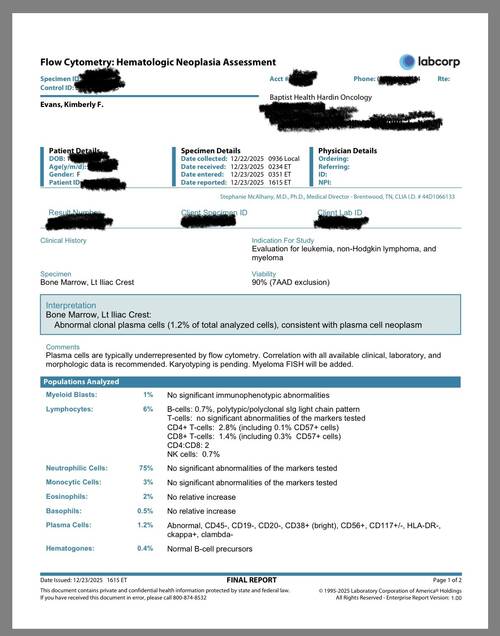
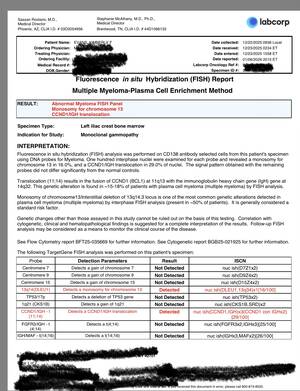
Having chromosome deletions, particularly deletion of chromosome 13, can be significant. Certain chromosome changes are considered "high-risk" features in myeloma and may affect treatment decisions.
Deletion of all or part Show Full Answer
Does having chromosome deletions change the watch-and-wait approach for smoldering multiple myeloma?
Having chromosome deletions, particularly deletion of chromosome 13, can be significant. Certain chromosome changes are considered "high-risk" features in myeloma and may affect treatment decisions.
Deletion of all or part of chromosome 13 is one of the chromosome changes that can indicate a worse outlook and more aggressive disease. When someone with smoldering multiple myeloma has high-risk genetic features like this, doctors may recommend early treatment rather than watchful waiting.
In recent years, there's been a shift toward treating "high-risk" smoldering multiple myeloma earlier. High-risk cases are defined by specific criteria, including:
* Certain genetic abnormalities in the cancer cells
* High levels of plasma cells in bone marrow
* High levels of M protein in blood
* Bone lesions visible on imaging
The presence of these chromosome deletions could potentially move you from a standard watch-and-wait approach to consideration of early treatment. However, your doctor will look at all your test results together - including your M protein levels, plasma cell percentage, and other factors - to determine the best approach for your specific situation.
It's important to discuss these genetic findings with your hematologist to understand what they mean for your individual treatment plan.
January 10









 Join
Join



 Your Privacy Choices